
What Is Forward Deployed Engineering? A Plain-English Guide
How embedded engineers differ from consultants, agencies and product vendors — and when the model makes sense.
Read article
Vibe coding rescue is the process of auditing and hardening an app built mostly with AI coding tools so it is safe to launch. The ten areas below are where AI-generated code most often falls short. If you can honestly tick all ten, your app is in far better shape than most prototypes; if you cannot, that is exactly where to spend your time before real customers arrive.
“Vibe coding” — describing what you want and letting a tool such as Cursor, Lovable, Bolt, Replit, v0 or Claude Code write the software — is a genuinely fast way to get a working prototype. The catch is that a prototype only has to work once, on the happy path. A product has to keep working when users misbehave, services fail and attackers poke at it.
Hiding a button in the interface is not security. Every request that reads or changes data must check on the server that the signed-in user is allowed to do it. A common AI-generated mistake is to trust the browser, which lets one customer read or edit another customer’s records by changing an ID.
API keys, database passwords and tokens belong in environment variables or a secrets manager, never in the repository or in client-side code. Check your Git history too: a key that was committed once and later deleted is still exposed.
Many prototypes run against a single database. Testing then means experimenting on live data. Create separate environments, with separate databases and separate keys, before you launch.
Login, password reset, session expiry and multi-factor authentication are easy to get subtly wrong. Use an established provider or library rather than home-grown logic, and check that password reset and invitation links expire.
Treat everything that arrives from a browser, form, file upload or webhook as untrusted. Validate type, length and format on the server, and use parameterised queries so user input can never become a database command.
Checkout that works in a demo can still mishandle failed cards, duplicate webhooks, refunds or subscription changes. Confirm payment status from the payment provider’s signed webhooks — not from the browser — and make webhook handling safe to run twice.
AI tools often generate a data model that works for the demo but cannot grow. Check constraints, indexes and migrations, and — most importantly — confirm you can restore from a backup. A backup you have never restored is a hope, not a plan.
Stack traces should never reach users, and failures should never be swallowed silently. Add structured logging and alerting so you hear about problems before your customers tell you.
AI-assisted changes can quietly break things that worked yesterday. A modest suite of automated tests for sign-in, payments and core workflows is the safety net that lets you keep changing the app with confidence.
Releases should be a routine, scripted step with a one-click way back, not a nervous manual process. Continuous integration that runs the tests on every change is the minimum.
Most AI-built apps can be rescued: the structure is reasonable and the problems are the ones listed above. A rebuild is justified only when the underlying data model or architecture is fundamentally wrong and every fix would fight it. A short, written audit is the fastest way to find out which situation you are in — before you commit to the larger piece of work.
If your app handles personal data, payments or anything a customer would be upset to see leaked, get an experienced engineer to review it before launch. Brands Boost Hub offers vibe coding rescue as an audit-first service: we review your repository, report what we find in priority order, and then fix, test and ship — or hand the report to your own team. Tell us about your project and we will reply within one business day.
It can be, but only after review. AI coding tools are very good at producing a working prototype; the work that makes it safe — access control, secret handling, payment logic, testing and deployment — usually still needs an experienced engineer.
It depends on the size of the app and what the audit finds. The written audit comes first, and it tells you what the fixes involve before you commit to them.
Usually not. Most apps can be rescued by fixing the specific problems, which is faster and keeps the product you have already designed. A rebuild is only worth it when the data model or architecture is fundamentally wrong.

How embedded engineers differ from consultants, agencies and product vendors — and when the model makes sense.
Read article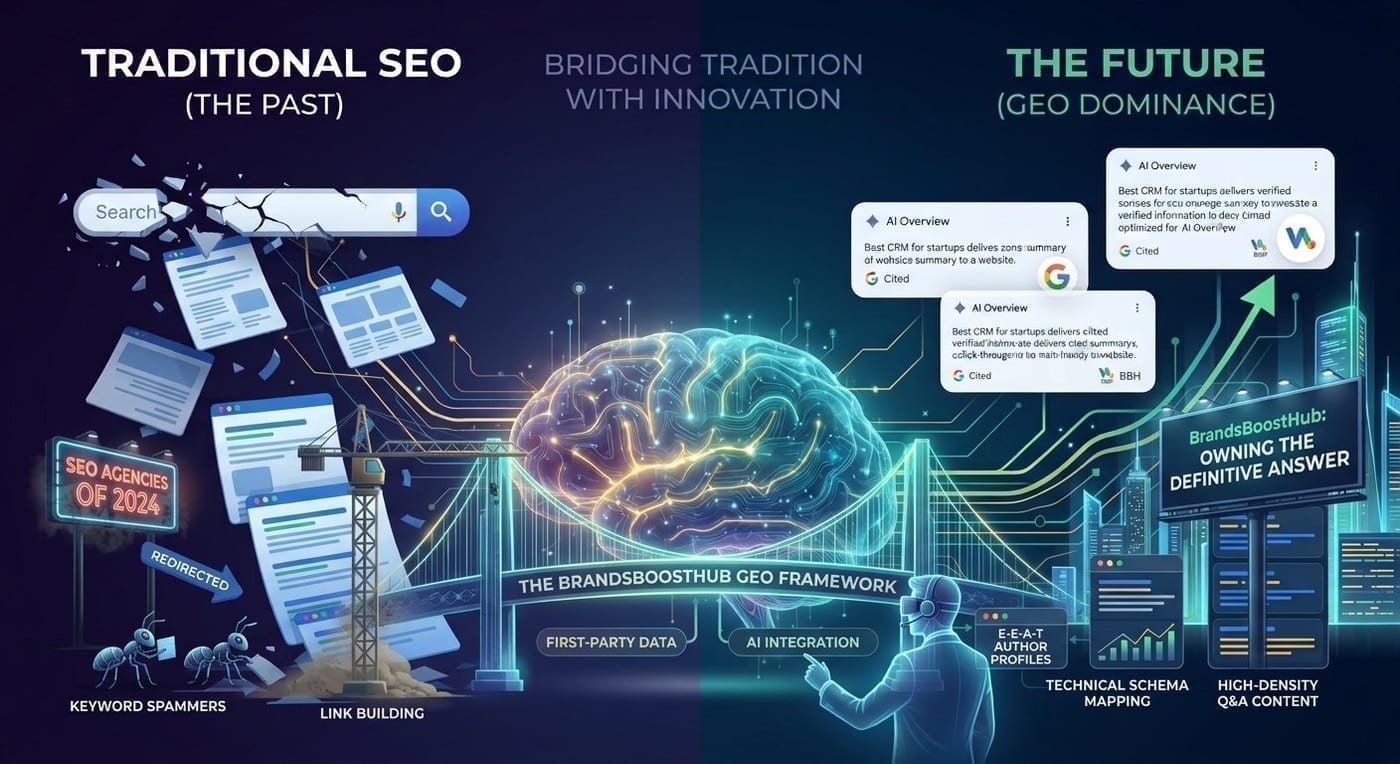
Search now answers instead of linking. What Generative Engine Optimisation (GEO) is and how to adapt.
Read article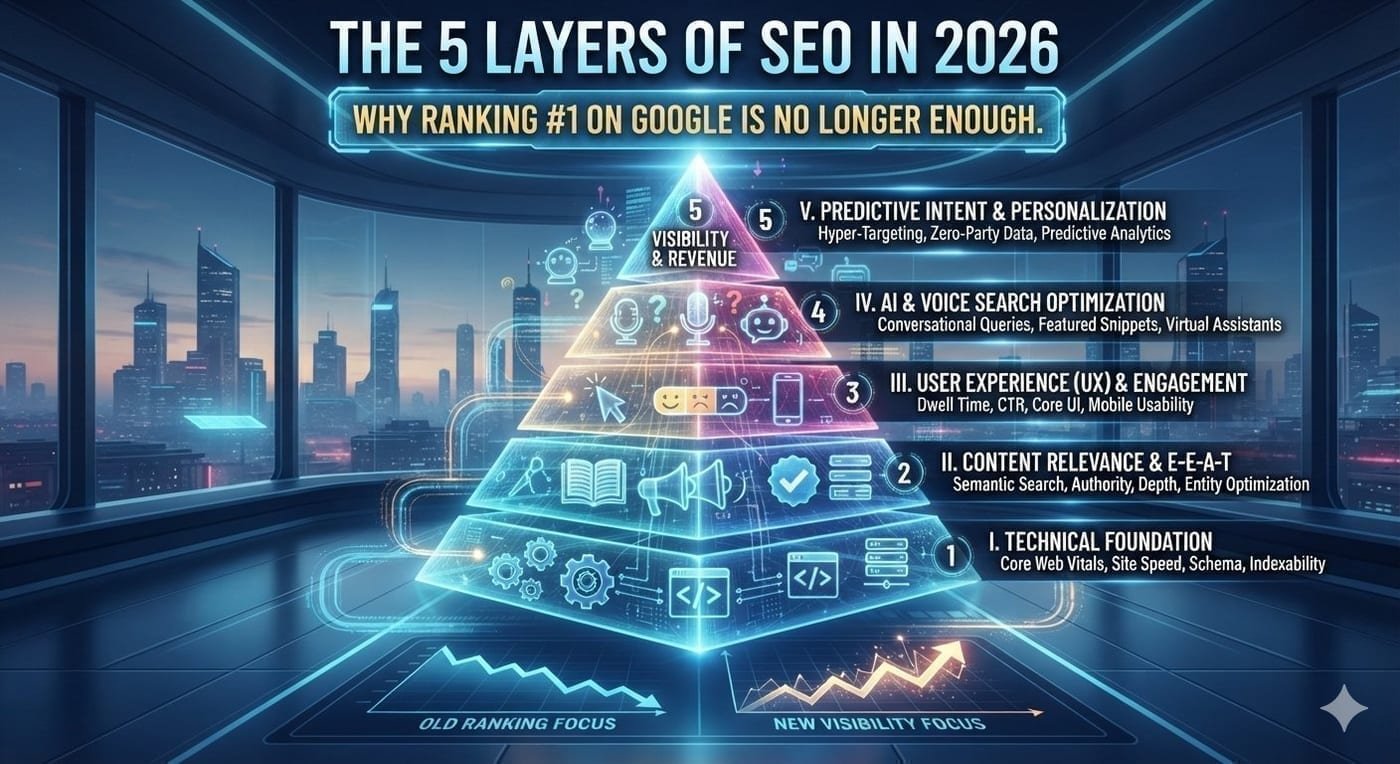
Ranking first on Google is only layer one. The five layers of search visibility in 2026.
Read article