
Vibe Coding Rescue: 10 Things to Fix Before You Launch an AI-Built App
A practical pre-launch checklist for apps built with Cursor, Lovable, Bolt, Replit or Claude Code.
Read article
Forward deployed engineering (FDE) is a way of delivering software in which an engineer works inside the customer’s team, on the customer’s own systems, to build and ship what the business actually needs. Instead of delivering a report or configuring a standard product from a distance, a forward deployed engineer sits with the people who do the work and writes the software where it will run.
The “forward deployed” label was popularised by Palantir, which placed engineers directly with customers to make complex data systems work in real environments. As companies have rushed to adopt AI, the model has spread: getting a language model to behave inside a messy, real-world business is mostly an integration and data problem, and that is exactly what an embedded engineer is good at.
| Forward deployed engineer | Management consultancy | Software agency | Product vendor | |
|---|---|---|---|---|
| Where the work happens | Inside your team and systems | Workshops and documents | At the agency, to a specification | In their product |
| What you receive | Working software on your stack | Strategy and recommendations | A defined project | Their platform, configured |
| Pace | Weekly releases | Phased deliverables | Milestones | Their roadmap |
| Best when | The problem is complex and specific to you | You need an assessment or strategy | Requirements are clear and stable | Your need is standard |
It fits best when the problem is tangled up with your own systems and processes, when requirements will change as you learn, and when you want working software rather than another document. Typical examples include connecting AI to internal documents and systems, modernising a legacy platform step by step, and automating a process that spans several tools.
It is a poor fit when your need is standard and a packaged product already does it well, or when you only need an independent opinion rather than anything built.
Our forward deployed engineering service pairs well with our work in AI development and custom software. We scope the problem with you, embed an engineer with your team, release working software every week and hand over documentation when we step back. Tell us what you are trying to solve and we will reply within one business day.
No. Staff augmentation adds contractors to your team to work under your direction. A forward deployed engineer also works inside your team, but is accountable for delivering a specific outcome and shipping working software, usually in weekly increments.
Not necessarily. Many engagements are remote or hybrid, with on-site time where it helps. What matters is that the engineer works inside your systems, tools and processes.
You do. The work is done on your systems and delivered with documentation, so your team can run and extend it afterwards.

A practical pre-launch checklist for apps built with Cursor, Lovable, Bolt, Replit or Claude Code.
Read article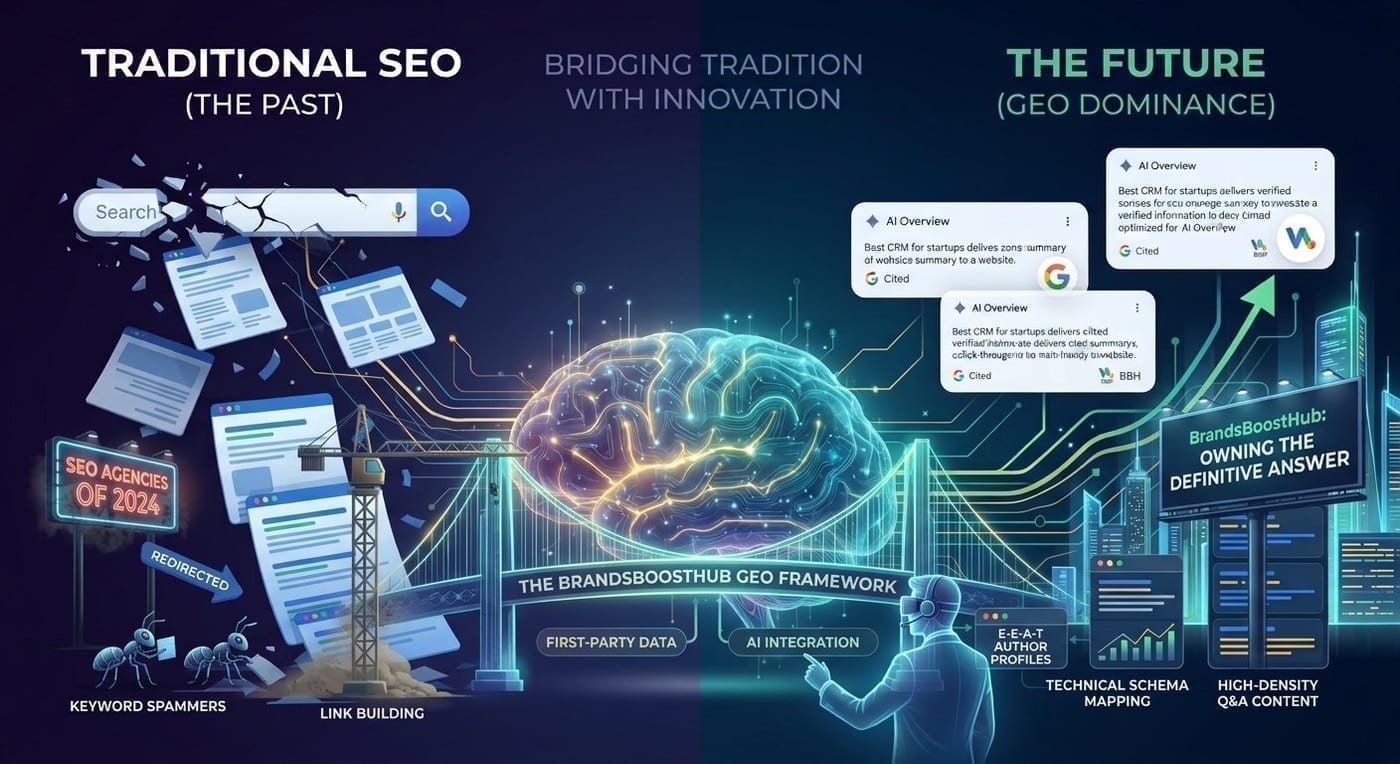
Search now answers instead of linking. What Generative Engine Optimisation (GEO) is and how to adapt.
Read article
Ranking first on Google is only layer one. The five layers of search visibility in 2026.
Read article